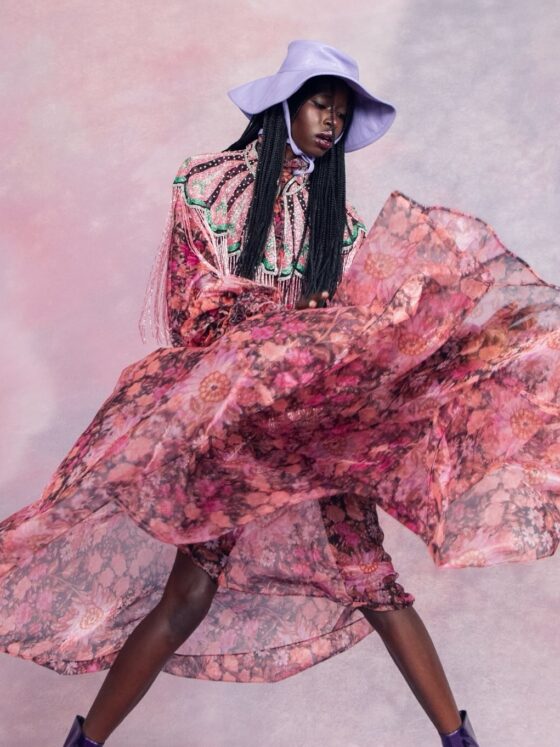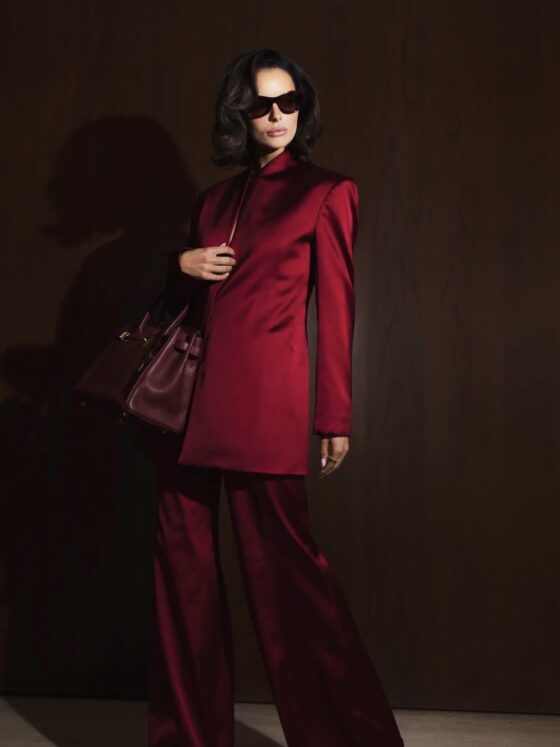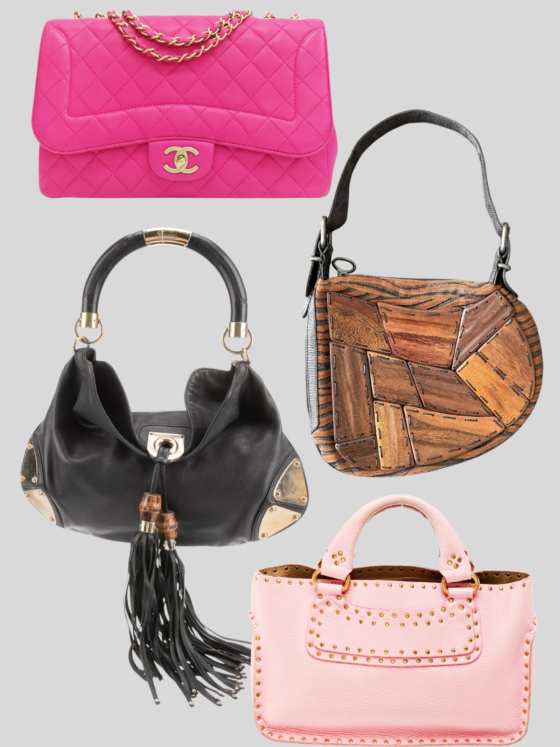

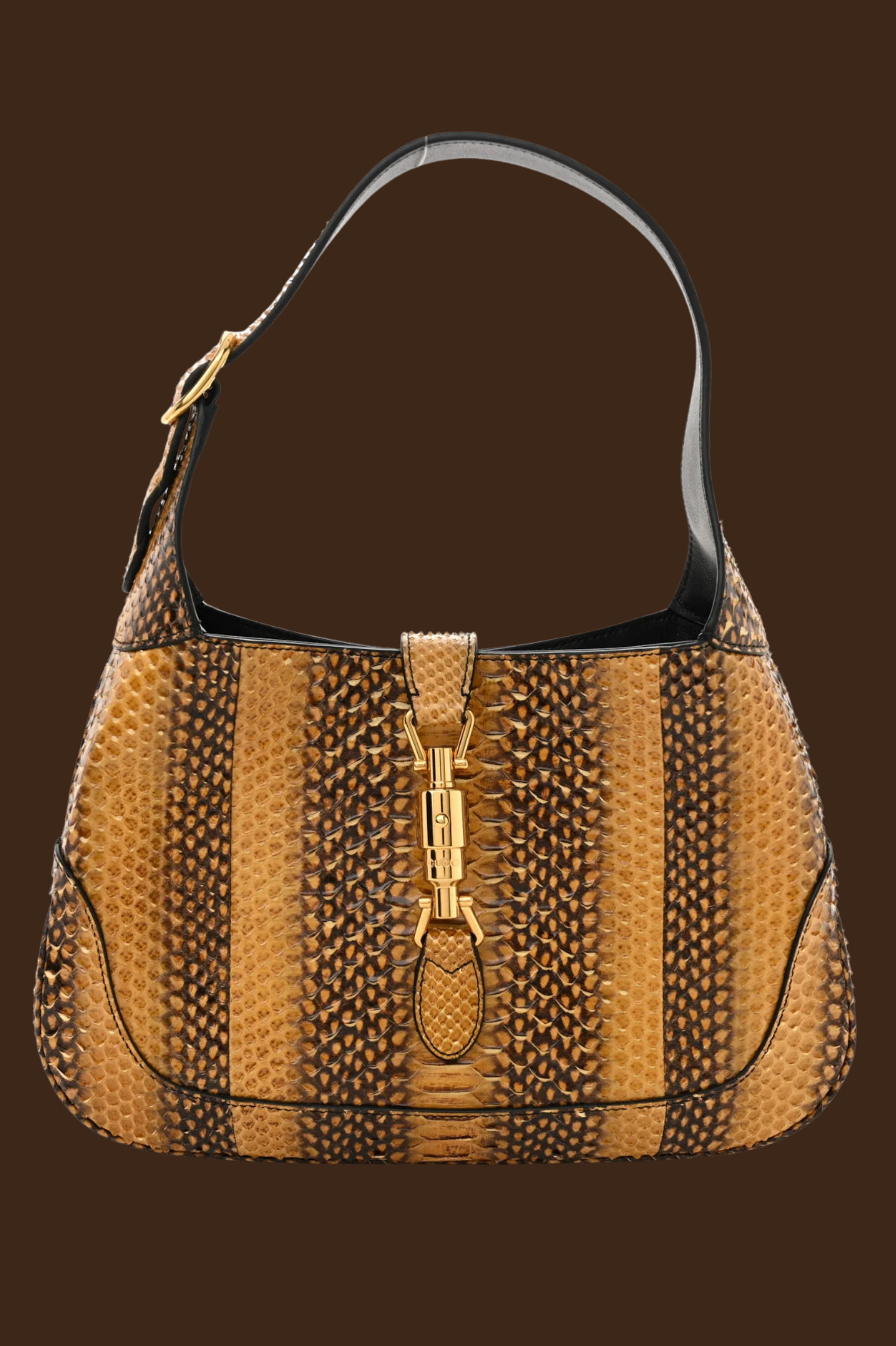
A quick guide to shopping designer bags secondhand with a sharper eye and better instincts.
There is a particular thrill to finding a great secondhand luxury bag. The right find can feel like a fashion coup, but a beautiful silhouette or recognizable logo does not automatically make a bag worth the buy. You can fall in love, but before you commit, know the three details that matter most: the brand, the model, and the condition.
Start with the brand.
A luxury label can set the tone, but it should also tell you something more useful than status. The best brands are known not just for recognition, but for craftsmanship, materials, and construction that hold up over time. Some houses are celebrated for their leathers, stitching, or hardware, while others may be more trend-driven or inconsistent across eras. Looking at the brand first helps establish whether a bag is likely to have lasting value, both in quality and in relevance. A strong name can open the door, but it should never be the only reason to walk through it.
Then look at the model.
This is where secondhand shopping becomes more interesting, and where a little homework goes a long way. Not every bag described as a classic actually is one. Pay attention to the exact model, proportions, shape, and hardware. Is it a silhouette with real staying power, or simply a bag being dressed up by a seller’s wording? The more familiar you are with a brand’s most enduring designs, the easier it becomes to separate the true icons from the pieces that only sound important in a listing. In secondhand shopping, specificity is often what protects both your wallet and your taste.
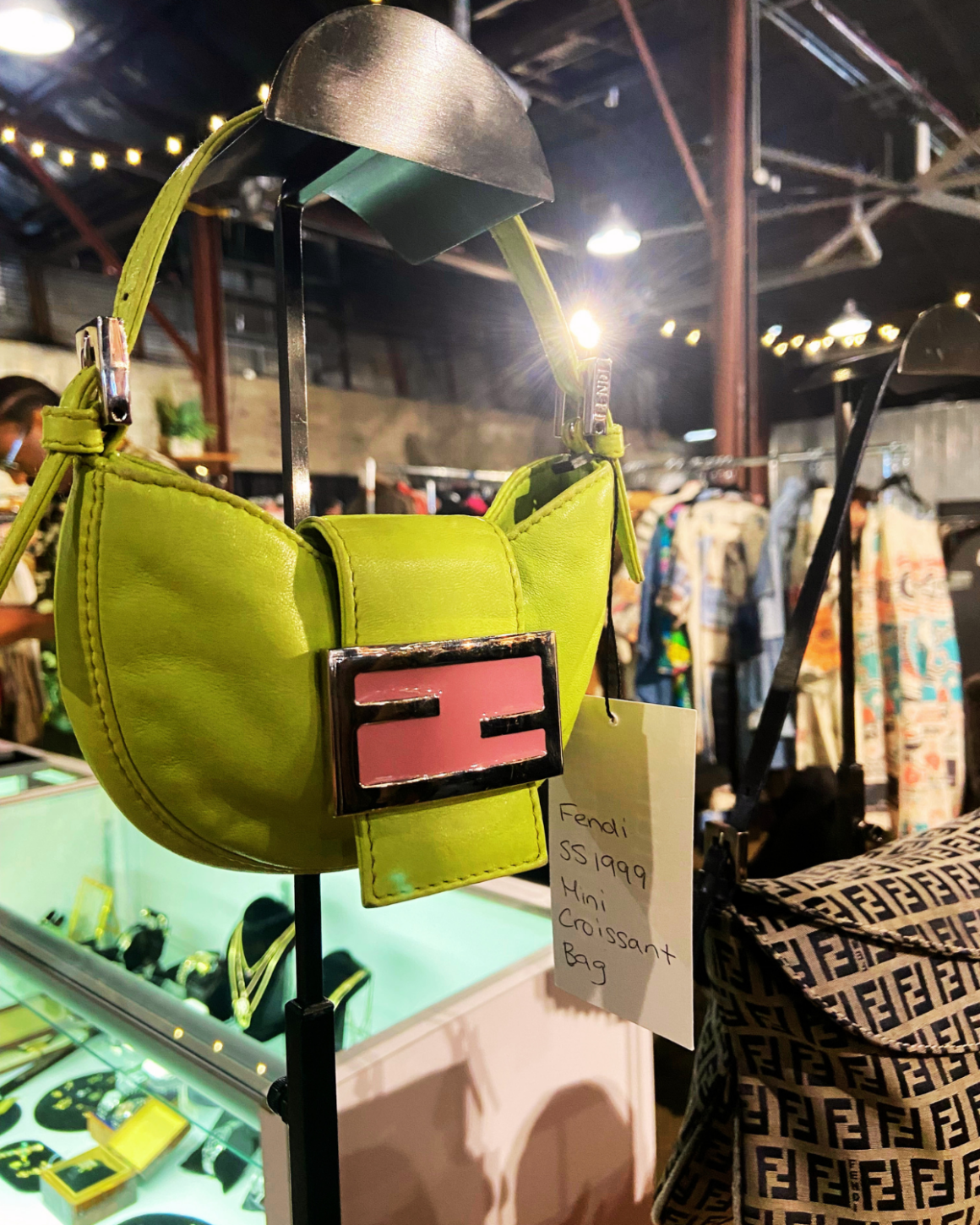
Finally, study the condition.
This is the part that deserves the closest look. A good listing should show more than the bag’s best angle. Check the corners, handles, interior, hardware, and closures, and pay attention to anything that looks repaired, recolored, replaced, or missing. Wear is not always a reason to walk away, but it should be visible, honestly described, and reflected in the price. The smartest secondhand buys are not necessarily perfect, just well understood before being purchased. If you’re shopping in person, take your time examining the bag and ask all of the questions that you have. Luxury handbag sellers are usually just as excited about the piece and are more than happy to share the bag’s story and forthcoming about its history and condition.
At its best, shopping secondhand luxury is not about chasing a label. It is about learning to recognize quality, character, and longevity when they appear. Once you know what to look for, the whole process becomes less overwhelming and much more rewarding. And that, more than anything, is what makes a great bag worth the hunt. Happy secondhand shopping!
This article is based on our conversation with luxury handbag expert Ella Wildenberg, whose advice appeared in our earlier guide to shopping designer bags secondhand.